How to Choose the Right Boiler Burner
News Details
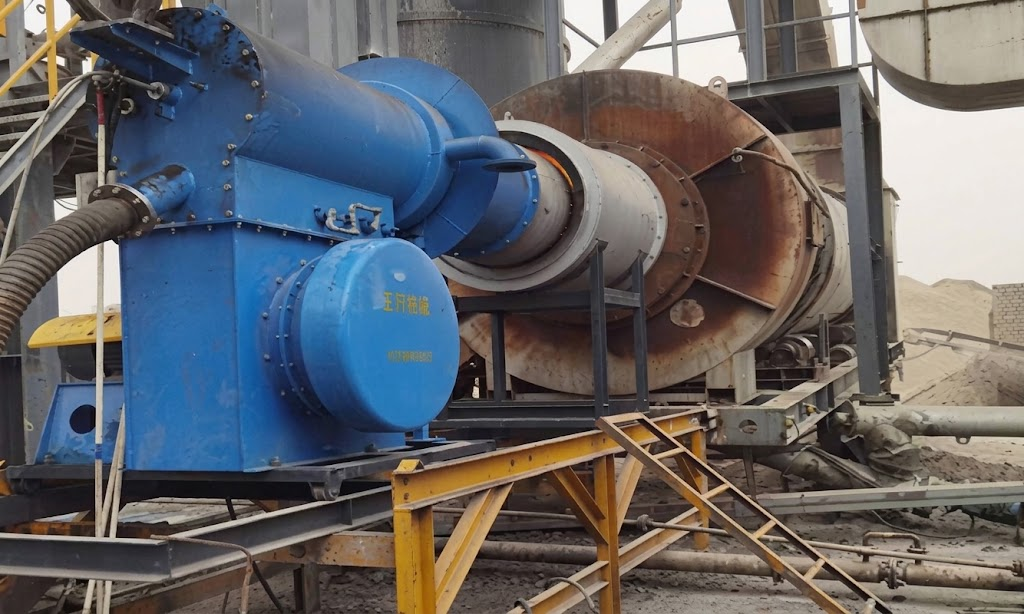
Choosing the right burner is essential for a boiler’s efficiency, safety, and operating cost. A well-matched burner supports stable operation and helps use fuel effectively. However, a poor choice can lead to incomplete combustion, frequent starts and stops, higher emissions, or avoidable downtime.
YUKE recommends reviewing the boiler, fuel, site, and service needs together before selecting a model. Here are the main points to consider.
Start with the Boiler
First, identify the boiler type: steam, hot water, or thermal oil. Then check its rated output, working pressure, and operating temperature. These details help define the burner’s required heat output and operating range.
The burner must also fit the boiler’s combustion chamber and mounting flange. Measure the available space and allow room for inspection and maintenance.
Match the Fuel Supply
Burners are designed for specific fuels, so confirm which fuel is available and suitable for your site.
Natural gas is widely used where a reliable gas supply is available. LPG can be an option in areas without a gas pipeline. Diesel is easy to store, while heavy oil may require heating and filtration. Biomass can reduce reliance on fossil fuels, but it also requires a plan for fuel feeding and ash removal.
In addition to fuel type, check supply pressure, fuel quality, and local availability. Fuel prices and supply conditions can change, so include them in the operating-cost estimate.
Size for Real Operating Needs
Select a burner that matches the boiler’s design heat load and expected demand. A burner that is too large may cycle on and off too often. This can affect efficiency and increase wear. One that is too small may not meet peak demand.
The burner’s turndown ratio also matters. It shows how far the burner can reduce its output while maintaining stable combustion. A suitable range helps the system respond to changing loads.
Avoid choosing a model based only on a general sizing rule. Confirm the required capacity with the boiler data and a qualified technical team.
Check Combustion and Emissions
Different fuels need different combustion settings. Gas burners require a suitable air-to-fuel mix. Oil burners depend on stable fuel pressure and good atomization. Solid-fuel systems need even feeding and effective ash handling.
Next, check the emissions rules that apply at the installation site. Limits may cover nitrogen oxides (NOx), carbon monoxide (CO), and particulate matter. Where required, consider a low-NOx burner or additional exhaust treatment.
Ask the supplier for performance data that applies to the selected fuel and operating conditions. Actual results depend on the whole boiler system, installation, and adjustment.
Review Controls and Safety
Modern burners may use PLC or microprocessor controls. Review the ignition sequence, flame monitoring, fault diagnosis, and any remote monitoring options.
Safety protection should suit the fuel and system design. Depending on the application, this may include flame failure protection, gas pressure protection, air pressure monitoring, high-temperature protection, and power failure response. Confirm that the burner and installation meet the rules and certification requirements for the market where they will operate.
Check Site Conditions
Before ordering, confirm that the site can support the burner. Check the available installation space, electrical supply, ventilation, and fuel connections. Make sure the voltage and frequency match the burner’s requirements.
Also consider the environment. Dust, moisture, heat, corrosive conditions, or outdoor exposure may affect the protection level and equipment choice. If noise is a concern, ask about sound levels and suitable noise-control options.
Compare Total Operating Costs
The purchase price is only one part of the cost. Include auxiliary equipment, installation, commissioning, fuel use, routine servicing, and replacement parts.
Then compare the estimated fuel cost at the expected operating load. A higher-efficiency option may cost more upfront but could reduce fuel use over time. However, the result depends on actual fuel prices, runtime, boiler condition, and maintenance.
Consider Service and Spare Parts
Reliable technical support can help reduce delays during installation and operation. Ask whether the supplier can provide model selection advice, installation guidance, commissioning support, operator training, and troubleshooting.
Also check the availability and lead time of common parts, such as filters and nozzles. A clear service plan can make ongoing maintenance easier.
Follow a Clear Selection Process
Begin by collecting the boiler’s technical data, fuel details, emissions limits, and site conditions. Then shortlist burners by fuel type and capacity. Compare their operating range, controls, safety features, and service requirements. Finally, confirm installation conditions and review the expected total cost before making a decision.
Avoid common mistakes such as oversizing the burner, overlooking fuel quality, ignoring emissions rules, or choosing based only on the purchase price. A careful review helps ensure the burner suits both current operating needs and long-term plans.
YUKE provides industrial burner products and technical support for boiler and heating applications. Share your boiler specifications, fuel supply details, and site requirements with the YUKE team to discuss a suitable solution.


