Common Boiler Burner Problems and Solutions
News Details
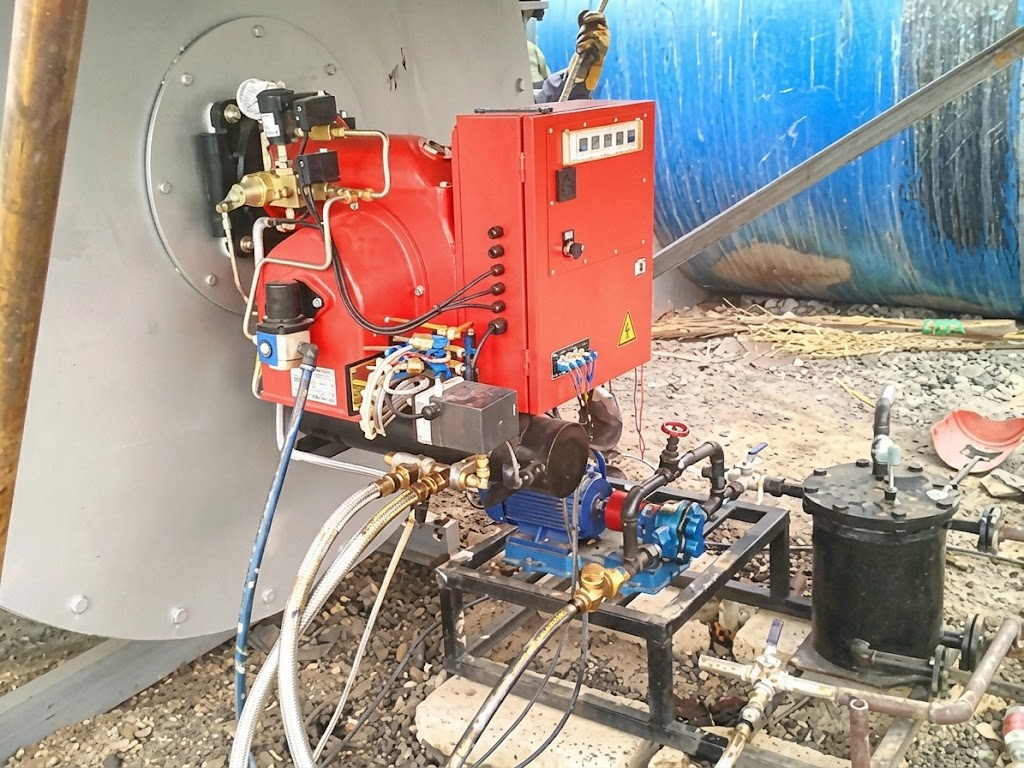
A boiler burner is a key part of an industrial boiler system. It controls fuel combustion and provides the heat needed for production. Therefore, its performance directly affects heating efficiency, energy use, and operating safety.
However, boiler burners may develop problems during daily operation. These issues can lead to ignition failure, unstable flames, higher fuel consumption, or unexpected shutdowns.
Understanding common boiler burner problems helps operators find the cause and take the right action. In this guide, we will explain five common burner faults, their possible causes, and practical solutions.
1. Ignition Failure
Common Symptoms
The burner fails to start or cannot produce a stable flame after several ignition attempts. The control system may also trigger an alarm or lockout.
Possible Causes
-
Power supply problems: Unstable voltage, loose connections, or damaged wiring.
-
Ignition electrode problems: Dirty, worn, or incorrectly positioned electrodes.
-
Fuel supply problems: Low gas pressure, closed valves, or blocked fuel lines.
-
Ignition transformer failure: The transformer cannot provide the required ignition voltage.
-
Flame detector problems: A dirty or faulty detector sends an incorrect signal to the control system.
Solutions
-
Check the power supply: Inspect the voltage, wiring, and electrical connections. Make sure the supply meets the equipment requirements.
-
Inspect the ignition electrodes: Clean the electrodes and check their position and gap according to the burner manual.
-
Check the fuel system: Confirm that the fuel valves are open and that the gas or oil supply meets the required pressure.
-
Test the ignition transformer: Have a qualified technician check its output and replace it if necessary.
-
Clean the flame detector: Remove dirt and deposits. Replace the detector if it cannot work properly.
If ignition fails repeatedly, do not keep resetting the burner. Find the cause before restarting it.
2. Unstable Flame
Common Symptoms
After ignition, the flame becomes too large or too small. It may flicker, change color, or go out during operation.
Possible Causes
-
Unstable fuel pressure caused by a faulty regulator or supply system.
-
Incorrect air-to-fuel ratio due to poor damper settings.
-
Faulty fan motors or air supply components.
-
Blocked flues or poor ventilation.
-
Fuel contamination or changes in fuel quality.
Solutions
-
Stabilize fuel pressure: Inspect the pressure regulator, fuel lines, and supply system.
-
Adjust the air-to-fuel ratio: Check the air damper and control settings. Use a flue gas analyzer to support accurate adjustment.
-
Inspect the air supply system: Check the fan, air inlet, and flue for blockages or damage.
-
Check fuel quality: Make sure the fuel meets the burner specifications. Clean or replace fuel filters when needed.
Proper air and fuel control helps maintain a stable flame and improves combustion performance.
3. Unusual Burner Noise
Common Symptoms
The burner produces unusual sounds during operation, such as loud bangs, vibration, or metal friction noises.
Possible Causes
-
Delayed ignition, which allows fuel to collect before ignition.
-
Worn bearings or damaged fan blades.
-
Loose mounting bolts or poor equipment support.
-
Combustion instability and pressure fluctuations.
Solutions
-
Check the ignition sequence: Have a qualified technician inspect the ignition timing and fuel valve operation.
-
Inspect mechanical parts: Check the fan, motor, bearings, and other moving components. Replace damaged parts.
-
Reduce vibration: Tighten loose connections and inspect the equipment base and pipe supports.
-
Check combustion conditions: Review fuel pressure, air supply, and burner settings to identify combustion instability.
A loud bang or repeated explosive sound may indicate delayed ignition. Shut down the burner safely and arrange a professional inspection before restarting it.
4. Low Combustion Efficiency
Common Symptoms
The boiler uses more fuel than usual but produces less heat. Other signs may include higher exhaust gas temperatures, increased operating costs, and poor heating performance.
Possible Causes
-
Incomplete combustion caused by an incorrect air-to-fuel ratio.
-
Excess air carrying too much heat away through the exhaust.
-
Soot, ash, or scale on heat exchange surfaces.
-
Damaged insulation around the boiler or pipes.
-
Incorrect burner settings for the actual boiler load.
Solutions
-
Optimize combustion settings: Use a flue gas analyzer to check oxygen, carbon monoxide, and other combustion indicators. Adjust the burner according to the manufacturer's specifications.
-
Clean heat exchange surfaces: Remove soot, ash, and other deposits regularly.
-
Adjust air supply: Match the combustion air volume to the actual boiler load.
-
Repair insulation: Replace damaged insulation materials and check for air leaks.
-
Monitor operating data: Track fuel use, exhaust temperature, and heat output to identify performance changes.
Regular combustion checks can improve thermal efficiency and reduce unnecessary fuel consumption.
5. Automatic Control System Failure
Common Symptoms
The burner cannot follow its normal operating program. It may stop unexpectedly, show frequent alarms, or fail to respond to automatic commands.
Possible Causes
-
Faulty temperature, pressure, or flame sensors.
-
PLC or burner controller failure.
-
Damaged actuators, valves, or motors.
-
Loose wiring or electrical signal interference.
-
Incorrect control settings.
Solutions
-
Inspect sensors: Check sensor signals and calibration. Replace damaged or inaccurate sensors.
-
Check the control system: Review alarm records and inspect the PLC or burner controller for faults.
-
Test actuators: Check whether valves, dampers, and motors respond correctly to control signals.
-
Inspect electrical connections: Tighten loose terminals and check cables for damage or interference.
-
Review control settings: Make sure operating parameters match the burner and boiler requirements.
Never bypass flame protection, pressure switches, or other safety devices to keep the burner running.
6. Boiler Burner Preventive Maintenance
Preventive maintenance is one of the best ways to reduce burner failures and extend equipment service life. A regular inspection plan also helps maintain stable combustion and lower operating costs.
Establish a Regular Inspection Schedule
-
Daily: Check fuel pressure, flame condition, operating temperature, and alarm records.
-
Weekly: Inspect and clean ignition electrodes and flame detectors when required.
-
Monthly: Check fans, motors, bearings, electrical connections, and other mechanical components.
-
Quarterly: Inspect safety devices, fuel supply systems, and combustion performance.
-
As recommended by the manufacturer: Complete a full burner inspection and replace worn parts.
The actual maintenance interval should depend on burner type, fuel, operating hours, and working conditions.
Keep Detailed Operating Records
Record important operating data, including fuel consumption, combustion conditions, exhaust temperature, and fault history. These records help operators identify unusual changes and plan maintenance before a major failure occurs.
Train Operators
Operators should understand the burner control system, normal operating procedures, and emergency shutdown steps. Regular training also helps prevent incorrect operation and unnecessary equipment damage.
Prepare Spare Parts
Keep commonly used parts available, such as ignition electrodes, fuel filters, sensors, and other model-specific components. This can reduce downtime when replacement is needed.
Conclusion
Common boiler burner problems include ignition failure, unstable flames, unusual noise, low combustion efficiency, and automatic control faults. Although these problems have different causes, regular inspection and correct troubleshooting can help prevent unexpected shutdowns.
More importantly, burner maintenance should always follow the equipment manual and applicable safety requirements. For complex faults involving fuel systems, ignition, or combustion controls, professional inspection is essential.
YUKE: Reliable Industrial Burner Solutions
Founded in 2010, Xuzhou Yuke Engineering Machinery Co., Ltd. specializes in the research, development, and manufacturing of industrial burners. Its product range includes gas burners, diesel burners, heavy-oil burners, pulverized coal burners, low-NOx burners, dual-fuel burners, and customized combustion solutions.
With experience in industrial combustion equipment, YUKE provides burner products and technical support for different industrial heating applications.
If you are looking for a suitable boiler burner or need a customized industrial burner solution, contact YUKE to discuss your project requirements.


