Why Does a Boiler Burner Need Regular Maintenance?
News Details
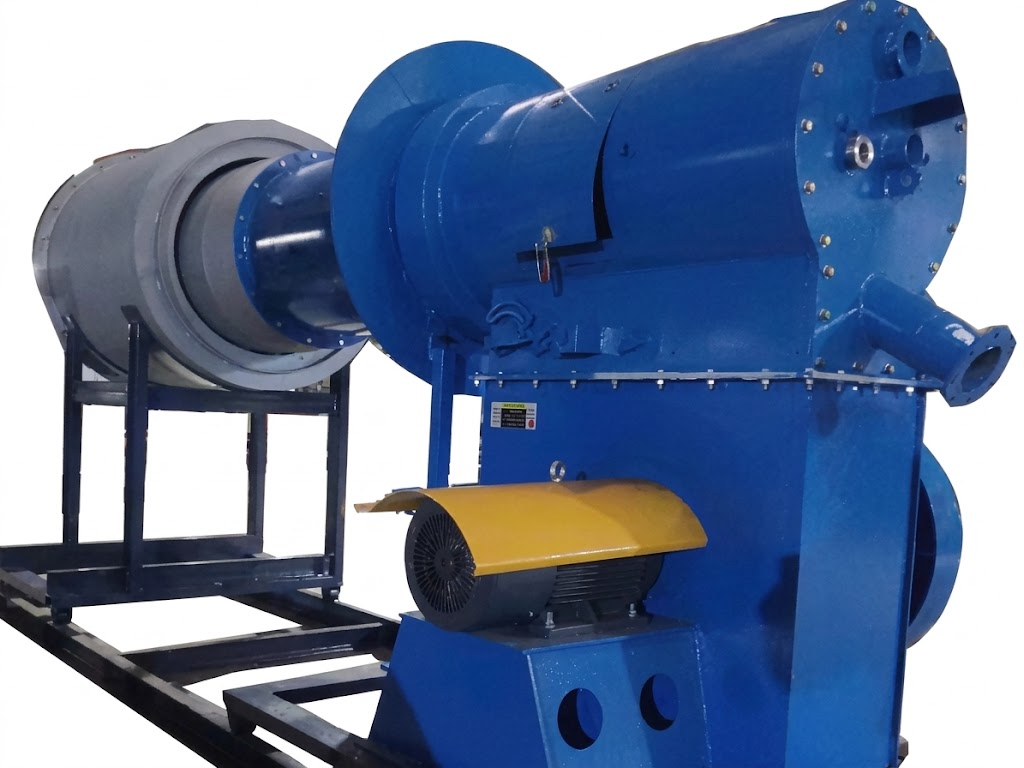
A boiler burner is an essential part of industrial heating systems, commercial heating, and hot water supply systems. It controls the combustion process and provides the heat needed for daily operations. Therefore, its condition has a direct impact on energy efficiency, equipment life, and operating safety.
However, dust, carbon deposits, worn parts, and changes in fuel quality can affect burner performance over time. Without proper care, even a high-quality industrial burner may lose efficiency or develop unexpected faults.
So, why is regular boiler burner maintenance important? Here are six key reasons every boiler operator and industrial equipment buyer should understand.
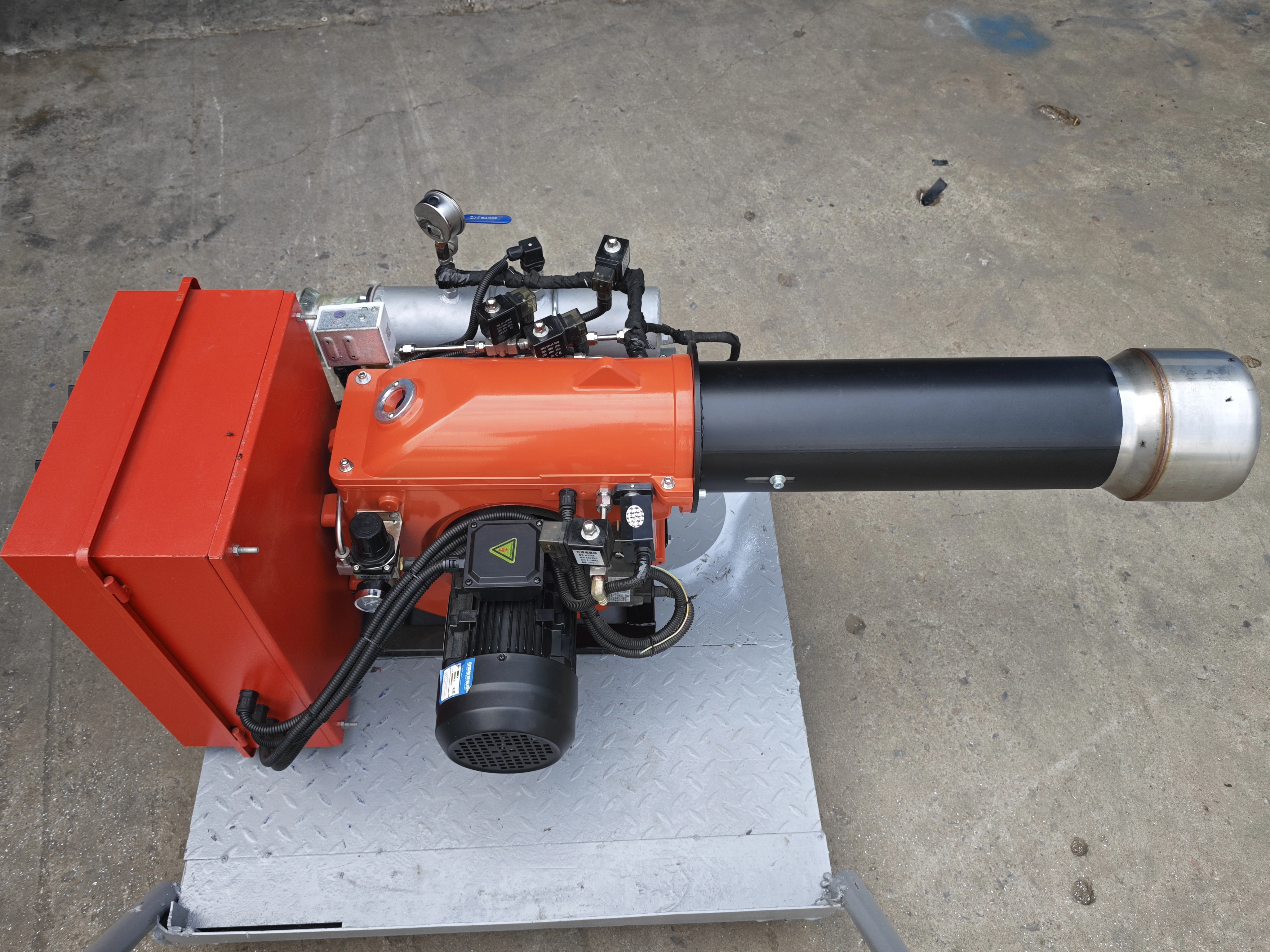
1. Improve Combustion Efficiency and Save Energy
Combustion efficiency is one of the most important factors in boiler performance. During long-term operation, dust, soot, and carbon deposits can build up inside the burner. These deposits may block fuel nozzles and affect the mixing of fuel and air.
As a result, fuel may not burn completely, and the boiler needs more energy to produce the same amount of heat.
Regular maintenance helps solve these problems through several actions:
-
Clean the burner head and remove carbon deposits.
-
Inspect and clean fuel nozzles and filters.
-
Check the fuel and air supply systems.
-
Adjust the air-to-fuel ratio based on flue gas test results.
-
Check the fan and air damper for proper operation.
With the correct settings, the burner can maintain stable combustion and reduce unnecessary fuel use.
In addition, proper combustion control helps reduce carbon monoxide (CO), nitrogen oxides (NOx), and unburned hydrocarbons. This supports cleaner operation and helps industrial users meet emission requirements.
2. Improve Boiler Safety
Safety is another major reason to maintain boiler burners regularly. A burner works with high temperatures, fuel supply systems, and automatic ignition controls. Any failure in these areas may create serious risks.
For example, delayed ignition may allow fuel to collect before combustion. A faulty flame detector may fail to detect flame loss. In addition, damaged gas valves or pipe connections may cause fuel leaks.
To reduce these risks, regular maintenance should include:
-
Inspecting ignition electrodes and electrical insulation.
-
Testing flame detectors and flame protection systems.
-
Checking gas valves, fuel pipes, and connection seals.
-
Testing pressure switches and other safety devices.
-
Inspecting the combustion chamber for damage.
For gas-fired burners, leak testing is especially important. Qualified technicians should use suitable detection tools to inspect valves, pipe joints, and seals.
Most importantly, never bypass safety devices or restart a burner repeatedly without finding the cause of a fault.
3. Extend Equipment Service Life
An industrial boiler burner contains many mechanical and electrical components, including fuel pumps, fans, motors, valves, and ignition systems. These parts naturally wear during long-term operation.
Without regular maintenance, small problems can lead to more serious damage.
For example, a worn fuel pump may reduce fuel pressure and affect atomization. Poor lubrication may increase fan bearing friction and cause vibration. Loose mechanical connections may also damage nearby components.
Regular maintenance helps protect these parts through:
-
Cleaning or replacing fuel filters.
-
Lubricating mechanical components as required.
-
Inspecting fan blades, bearings, and motors.
-
Checking electrical connections and insulation.
-
Replacing worn or damaged components in time.
The boiler heat exchange surfaces also need attention. Soot on the fire side and scale on the water side can reduce heat transfer. Over time, this may increase metal temperatures and damage equipment.
Therefore, regular cleaning and inspection help maintain stable performance and extend the service life of the entire boiler system.
4. Reduce Overall Operating Costs
Regular maintenance requires time and money. However, it can help businesses avoid much higher costs in the long run.
An unmaintained burner is more likely to experience unexpected shutdowns. For industrial users, even a short production interruption can cause delays, lost output, and additional labor costs.
In contrast, preventive maintenance helps reduce unexpected repairs and spare part consumption.
It also improves energy performance. When combustion efficiency remains stable, the boiler uses fuel more effectively. Over thousands of operating hours, even small improvements can lead to meaningful savings.
A well-maintained burner can help businesses:
-
Reduce fuel consumption.
-
Lower emergency repair costs.
-
Avoid unexpected production downtime.
-
Reduce the need for frequent spare part replacement.
-
Improve the overall return on equipment investment.
For this reason, preventive maintenance should be viewed as a long-term investment rather than an extra operating expense.
5. Adapt to Changing Operating Conditions
Industrial boilers do not always work under the same conditions. Fuel quality, boiler load, air temperature, and working environments may change over time.
For example, changes in fuel viscosity or heating value can affect combustion performance. Similarly, changes in boiler load may require adjustments to the fuel and air supply.
Regular maintenance allows technicians to review and adjust operating parameters according to actual conditions.
For dual-fuel burners, maintenance is even more important. When switching between gas and oil, technicians need to inspect the related fuel supply systems, control settings, and safety devices.
These checks help ensure that the burner operates reliably under different working conditions.
6. Meet Safety Standards and Inspection Requirements
Industrial boiler equipment must follow applicable safety regulations and inspection requirements. In many markets, regular inspection and maintenance are necessary for safe operation.
A clear maintenance plan also helps businesses manage equipment more effectively.
For example, maintenance records can include:
-
Inspection dates and maintenance activities.
-
Names of responsible technicians.
-
Replaced parts and repair details.
-
Combustion test results and operating data.
-
Recommendations for future maintenance.
These records help support equipment inspections, internal quality management, and insurance assessments where required.
They also make it easier to identify repeated problems and plan future repairs.
7. Recommended Boiler Burner Maintenance Schedule
A suitable maintenance schedule depends on burner type, fuel, operating hours, and working conditions. However, the following plan can serve as a general reference.
Daily Checks
-
Observe flame shape and color.
-
Check fuel pressure and operating temperature.
-
Monitor alarms and unusual noise.
-
Record important operating data.
Monthly Maintenance
-
Clean burner surfaces and inspect the burner head.
-
Check ignition electrodes and flame detectors.
-
Inspect fans, motors, and electrical connections.
-
Check fuel filters and valves.
Annual Maintenance
-
Carry out a complete burner inspection.
-
Clean major combustion components.
-
Inspect and replace worn parts.
-
Test safety devices and control systems.
-
Check and adjust combustion parameters.
For continuously operating industrial burners, professional maintenance may also be scheduled according to operating hours and manufacturer recommendations. In dusty or humid environments, inspections may need to be more frequent.
Always follow the equipment manual and applicable local safety requirements when setting maintenance intervals.
Conclusion
Regular boiler burner maintenance is essential for safe, efficient, and stable operation. It helps improve combustion performance, reduce fuel consumption, prevent safety risks, extend equipment life, and control operating costs.
More importantly, a proper maintenance plan helps businesses avoid unexpected downtime and maintain reliable production.
For industrial users, choosing a suitable burner and following the correct maintenance procedures are equally important.
YUKE provides combustion equipment for various industrial heating applications. Whether you need a standard industrial burner or a customized combustion solution, contact YUKE to discuss your project requirements.


